
Scientists long assumed that as trees got older, they grew slower—just like us. But a new study underscores the climate …
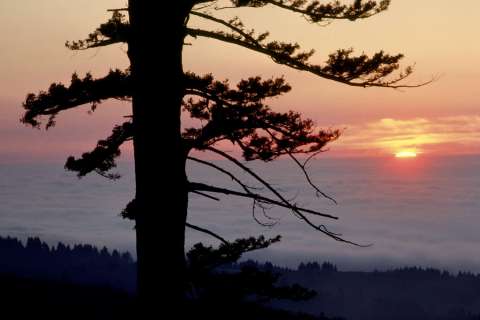
Scientists long assumed that as trees got older, they grew slower—just like us. But a new study underscores the climate …
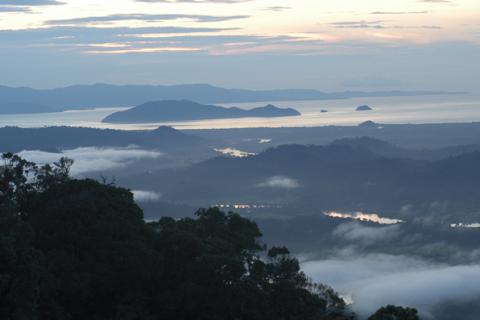
The Wildlife Conservation Society and Madagascar come together to help protect one of the most important forests in the world—and slow climate change at the same time.
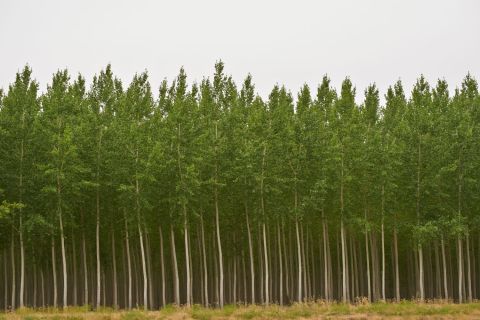
Nature may have its own way of adapting to climate change, as a new study shows that forests get more economic with water as greenhouse gases levels increase
Satellite imagery reveals a green, breathing planet — but one under threat from human activity
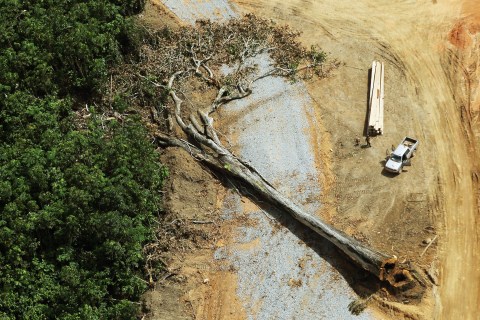
Belo Monte will be the world´s third-largest hydroelectric project and will displace up to 20,000 people while diverting the Xingu River and flooding as much as 230 square miles of rainforest. The controversial project is one of …
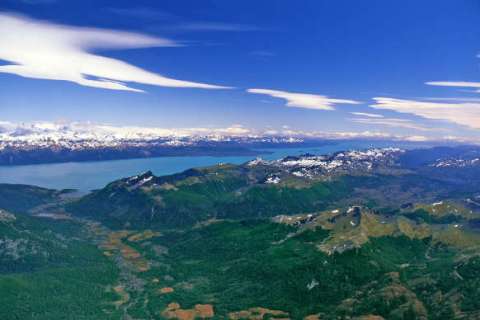
I could barely make out Steve Sanderson over the winds howling into the satellite phone. Sanderson, the head of the Wildlife Conservation Society (WCS), was calling from Tierra del Fuego in Chile, an island off the very …
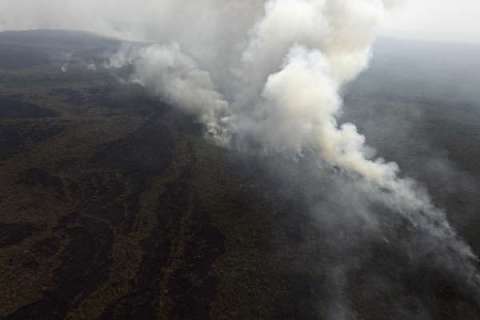
I’d say you have to see the Amazon for yourself to understand how vast it is, but I’ve been there—and even I can’t imagine it. The rain forest is more than 2 million sq. miles—two-thirds the size of the continental United …
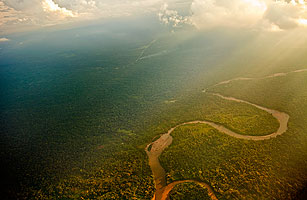
In this week’s international edition of TIME—which is thankfully not behind the paywall—I have a piece on Ecuador’s innovative plan to forswear drilling for oil in the Yasuni National Park in exchange for funding from the …
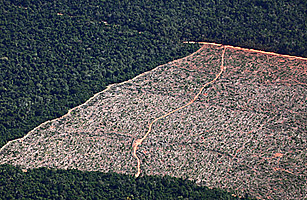
After years of allowing clear-cutting and rapid deforestation in the Amazon, Brazil has managed to save its forests. But a new law landing on the President’s desk could undo much of that — and open the door to the bad old days …
Deforestation is a major cause of climate change, responsible for perhaps 15% (PDF) of the world’s overall greenhouse gas pollution. That’s because trees sequester carbon, and when those trees are cut down or burned, they release that carbon back into atmosphere. And as we lose trees, we lose a valuable carbon sink—each year the …