
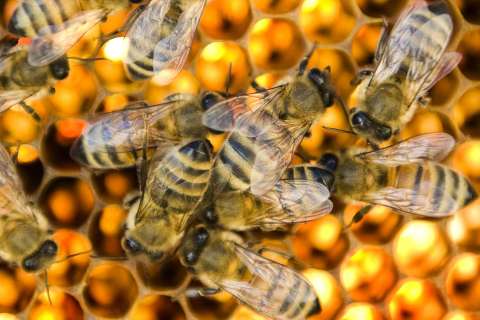
Honeybee losses keep piling up and scientists don’t know why. In the meantime, though, hobbyist beekeepers can help keep the embattled insect going
 EcocentricFood
 EcocentricFood
Honeybee losses keep piling up and scientists don’t know why. In the meantime, though, hobbyist beekeepers can help keep the embattled insect going
EcocentricFood
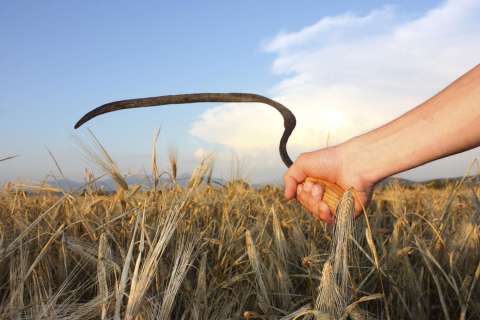
Diseases like the potato blight have ruined harvests in the past — and still haunt farmers today. Research suggests climate change will spread those pests and pathogens
EcocentricWildlife
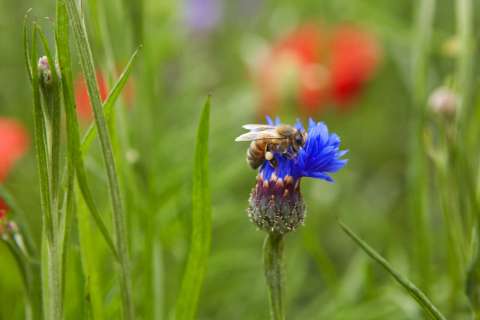
The beepocalypse is on the cover of TIME, but it looks like managed honeybees will still pull through. Wild bees—and wild species in general—won’t be so lucky in a human-dominated planet
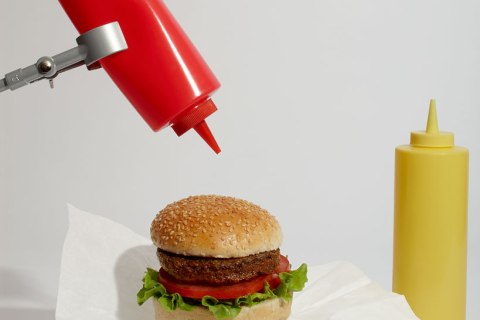
A long-awaited — if faintly unsettling — food product is unveiled
EcocentricOceans
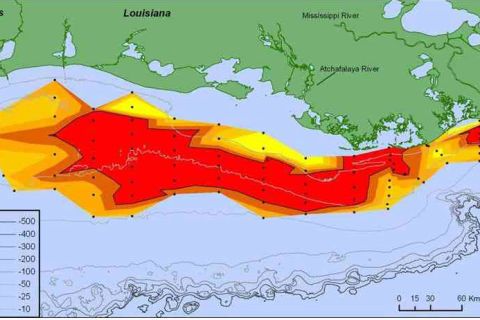
It may not be as big as researchers predicted last month, but this year’s Gulf of Mexico dead zone is larger than average—and a sign of things to come.
EcocentricOceans
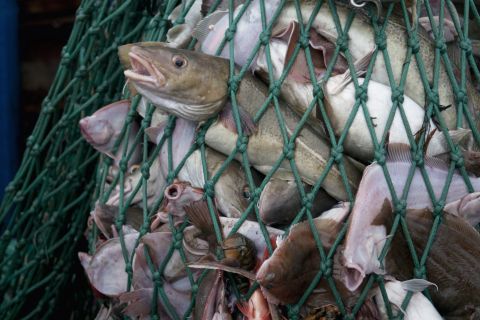
Scientists knew that climate change would eventually impact fisheries, but new research indicates that warming water is already affecting the kinds of fish that end up on your dinner table
EcocentricFood
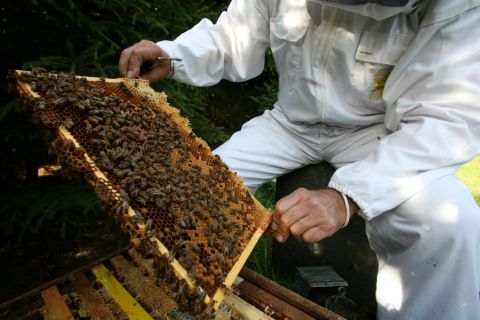
More than five years after it was first reported, colony-collapse disorder is still killing honeybees around the world. If scientists can’t pinpoint the cause, the economic and environmental damage could be immense
EcocentricFood
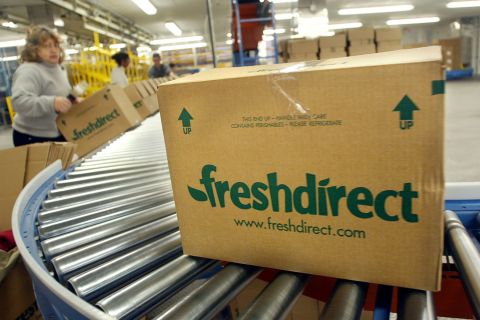
It might seem decadent, but ordering your groceries online from a delivery service like FreshDirect is greener than driving to the store. Farmers’ markets? Less so
EcocentricAgriculture
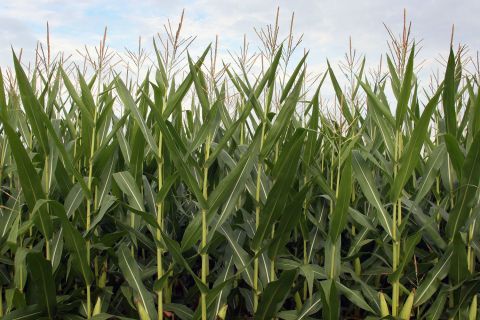
As corn and soybeans became more valuable, farmers plowed more land—and disturbed native grasslands along the way
EcocentricGoing Green
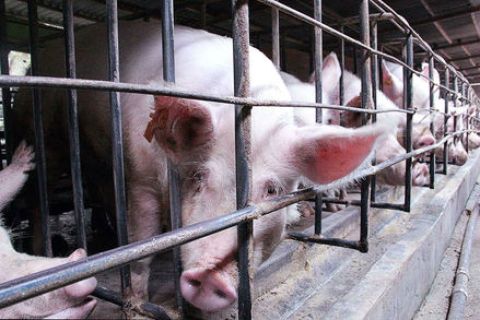
A new study shows widespread antibiotic resistance on Chinese farms, where use of the drugs to speed animal growth is common. That could have scary impacts for the rest of the world