
Scientists create a very heavy atom with a very short life span
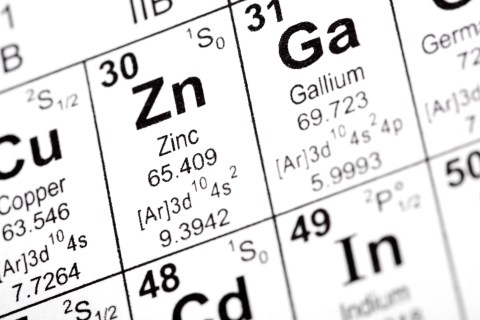
Scientists create a very heavy atom with a very short life span
 EcocentricDisasters
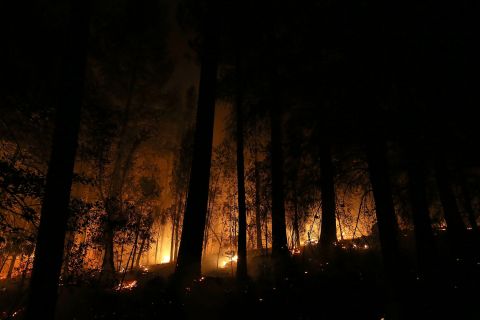
The disastrous wildfire chewing through Yosemite National Park won’t be the last blaze of a hot, dry summer in the West. Why there are more fires to come
EcocentricOceans
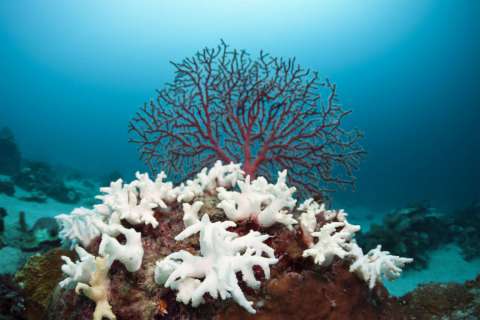
As we emit more carbon dioxide, the oceans will become more acidic. That will be bad for sealife—but it may also speed the rate of global warming
This video released by NASA shows a small comet crashing into the sun. The video was captured by the European space agency “SOHO” space telescope.
The explosion that follows is called “coronal mass ejection” – basically a giant solar flare.
EcocentricDisasters
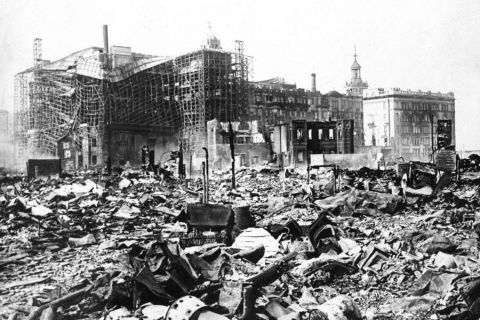
Tokyo escaped damage in the 2011 earthquake and tsunami. But a new study indicates that aftershocks from the quake may have increased the seismic danger the Japanese megacity faces
EcocentricNatural Gas
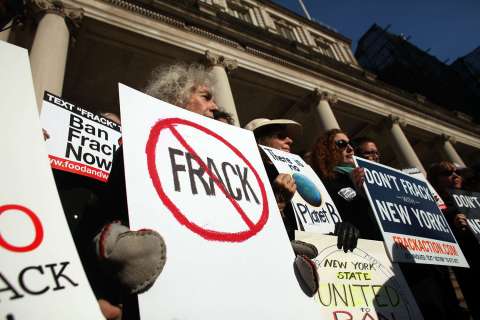
While the President might want to talk education on his visit to upstate New York, there will be no escaping the war over fracking
EcocentricDisasters
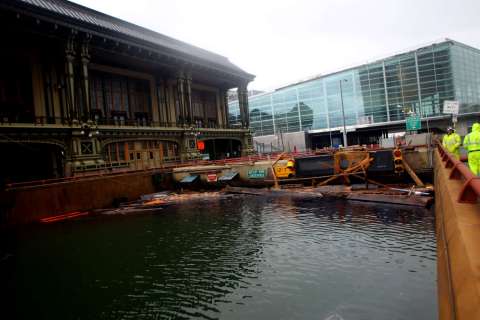
A new study names the global cities most at risk at coastal flooding—both today, and in a warmer future.

Environmentalists have been fighting against fracking in the U.S. for years — with little success. Now the British government is pushing to allow drilling for shale gas in the U.K. Will British greens stop fracking from starting?
EcocentricWeather
NOAA retires the GOES-12 satellite, which has monitored weather along the U.S. East Coast for more than a decade. Here’s everything GOES saw—sped up.
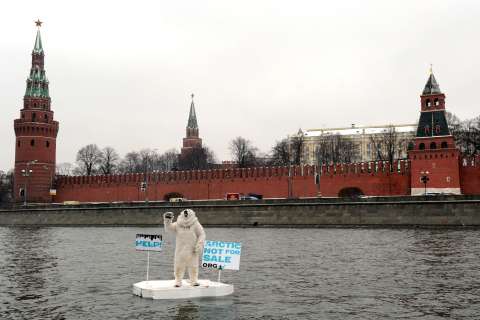
Despite the fact that more people now acknowledge that climate change represents a significant threat to human well-being, this has yet to translate into any meaningful action. Psychologists may have an answer as to why this is