
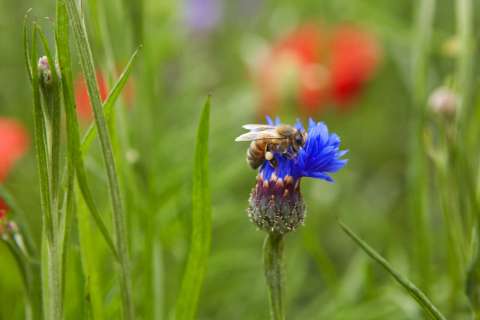
The beepocalypse is on the cover of TIME, but it looks like managed honeybees will still pull through. Wild bees—and wild species in general—won’t be so lucky in a human-dominated planet
 EcocentricWildlife
 EcocentricWildlife
The beepocalypse is on the cover of TIME, but it looks like managed honeybees will still pull through. Wild bees—and wild species in general—won’t be so lucky in a human-dominated planet
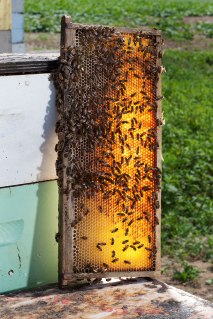
These little insects are the buzz of the English language
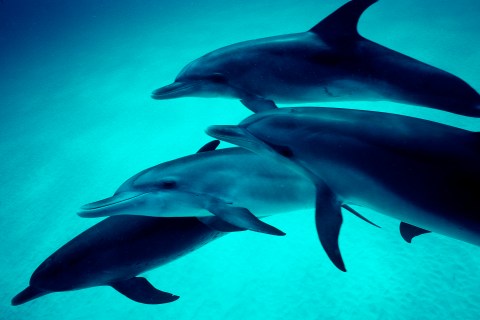
Our oceangoing cousins show an astonishing memory for names
EcocentricBusiness
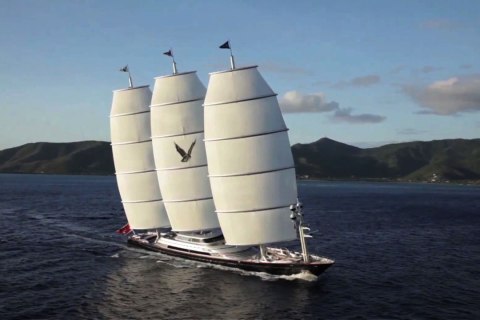
Shipping by sea is as vital to the global economy as it is destructive to the global environment. But new technologies—and old ones—can help make shipping easier on the planet.

If life is easy to make—and it might be—it could be scarily close to home
EcocentricCities
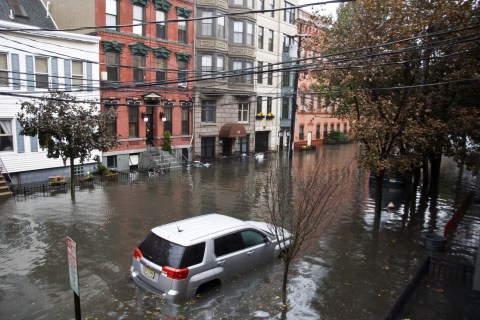
Cities have become the laboratories of democracy and the engines of economic growth. But a disengaged, miserly national government is making it harder for mayors to prepare for the next catastrophe
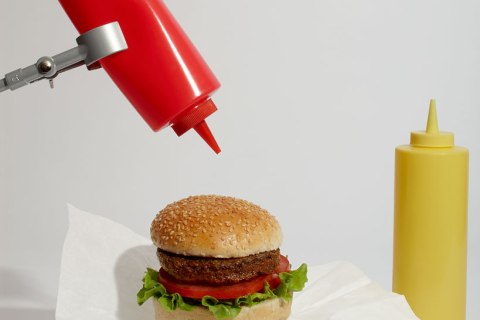
A long-awaited — if faintly unsettling — food product is unveiled
Twelve months after its white knuckle landing, NASA’s latest Mars rover has done some impressive work
EcocentricNuclear
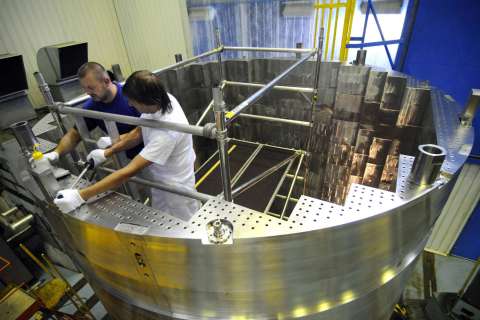
Nuclear power may be good for the climate, but the industry faces major challenges as it looks to expand. Advanced reactor designs — if they can become a reality — could make the difference
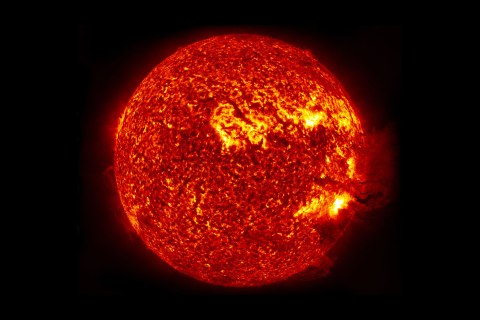
People really do behave worse in hot weather—and whole nations do too